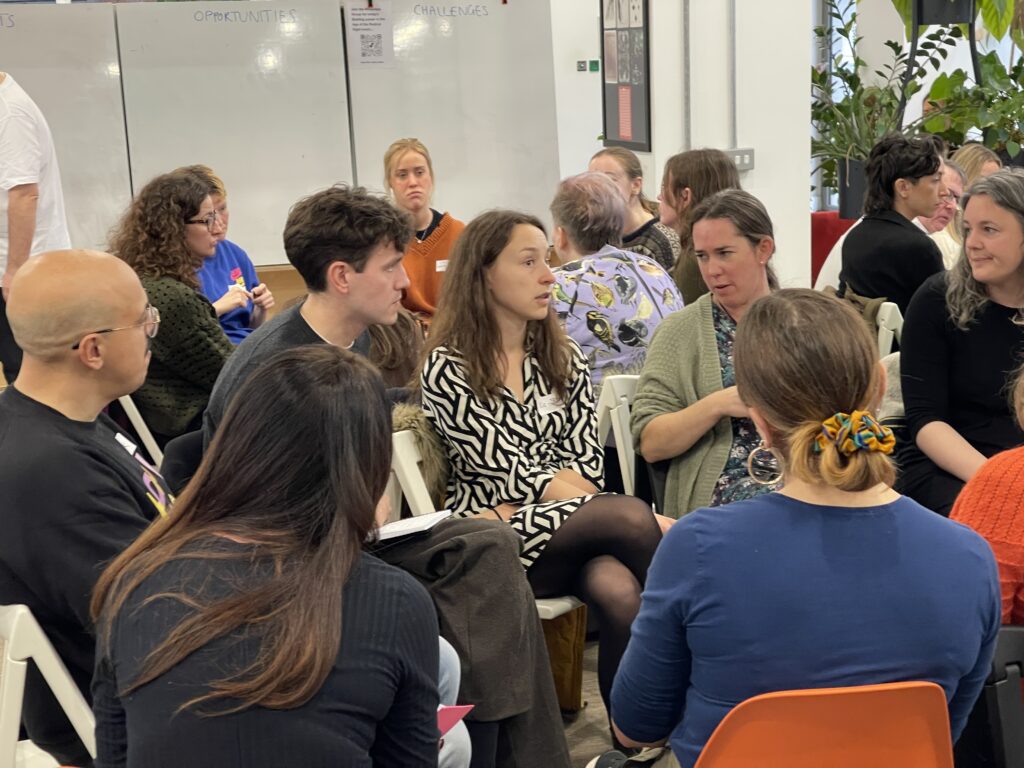
On Friday, I joined organisers, campaigners and charity leads to confront one of the most urgent questions facing our sector: how do we build digital power in the age of the rising radical right?
The event – co-organised by Rally and Forward Action, and generously hosted by Shelter – set the tone from the start: honest, ambitious and rooted in collective purpose.
What struck me most was the shared sense of readiness. Not quite optimism, but recognition: the risk of acting boldly is now outweighed by the risk of carrying on as we are.
Here are the themes that surfaced again and again – and what they mean for how we work:
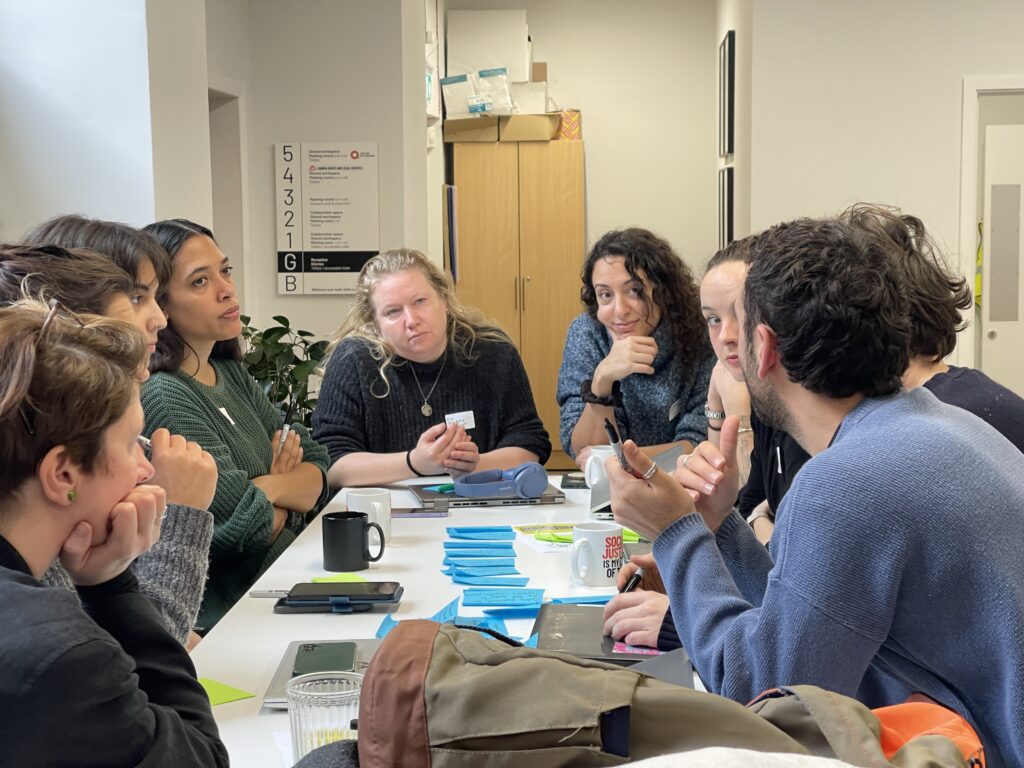
1. If we want to beat the radical right, we need new messengers.
Home truth: charities often aren’t the voices people actually listen to. Not because they’re doing anything wrong, but because most people take their cues from the creators, community leaders and lived-experience voices already embedded in their everyday online spaces.
These are the people with cultural permission – the ones shaping conversations in group chats, comment threads and micro-communities long before an issue hits the news.
As the “middle ground” shifts, charity brands and institutional language can become a barrier. Meanwhile, the radical right thrives by decentralising its message through anyone who can extend its reach.
So the challenge is clear:
How can the progressive movement hand over the mic – and empower partners, supporters and communities to speak in their own voices, not ours?
2. We need simplicity and emotional clarity.
One of the most repeated observations: The radical right is better at messaging than us.
Certainly not because their values are “better” – but because they:
- use emotion over logic,
- simplicity instead of nuance,
- speak to belonging, tradition and fear,
- and move quickly.
Meanwhile, too many of us are still taking rational, hyper-careful, over-explained approaches to persuasion.
If we want to compete in the attention economy, we need to meet people where they actually are – culturally, emotionally, socially – not where we wish they were.
We also need to be honest about the asymmetry of the digital battlefield.
A crucial issue – and it can’t be overstated – is that the radical right has structural advantages we don’t. They benefit from:
- many of the biggest media and social platforms being owned or run by people whose politics align with the right,
- huge amounts of private money behind their content and networks,
- and algorithms that naturally boost anger and division – messages the right uses all the time.
This isn’t an even fight.
But naming the imbalance helps clarify why the progressive movement needs more agility, more collaboration, and more investment in new forms of digital and community power.
3. This is about more than messaging: it’s about building narrative power
A thread running throughout the day was the need to move beyond “better comms” and towards building narrative power – the shared stories, meanings and emotional landscapes that shape how people understand the world.
Narrative power is upstream. It’s cultural, not just political. It isn’t about persuading people one message at a time, but about shifting what feels normal, acceptable, or imaginable.
The right invests heavily in this. Their stories show up through media ecosystems, influencers, local networks, and cultural spaces long before they reach Parliament. If the progressive movement wants to compete, our work on messaging has to ladder up into something much bigger: long-term narrative strategy that builds real-world power and creates the conditions for action.
Many of us are hungry to do more here – and it was one of the most energising threads of the day.
4. Collaboration has to get lighter, faster and less precious.
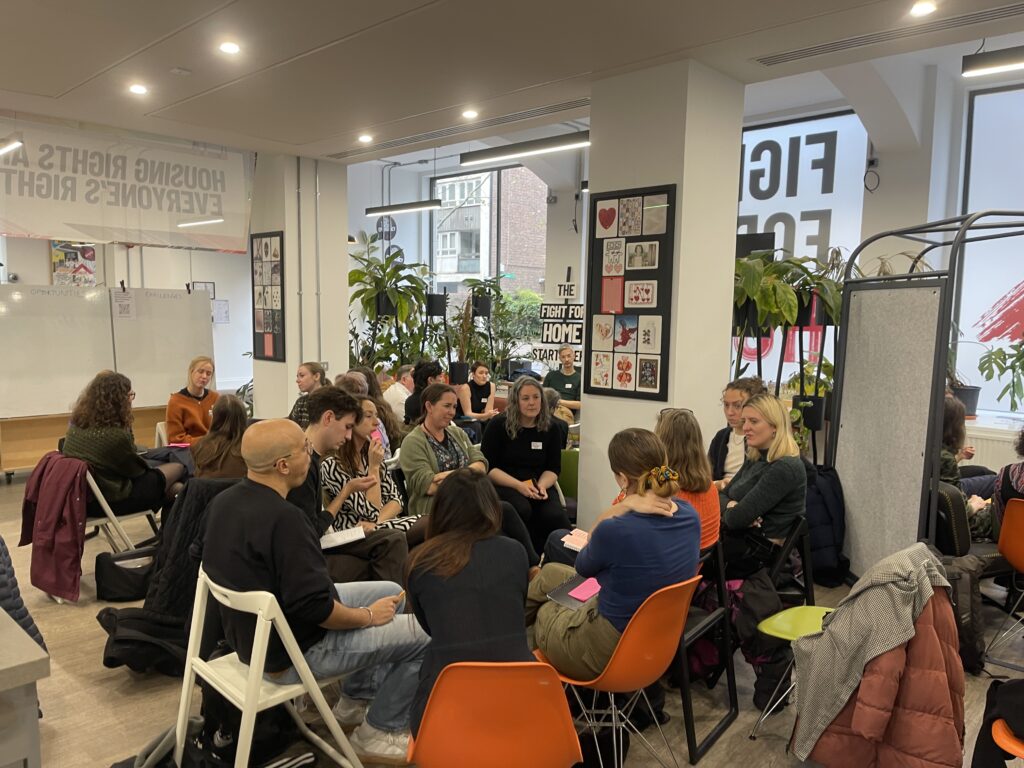
‘Coalition’ can sometimes be a dirty word in our sector. It might evoke long emails, slow consensus-building, and a narrow issue focus that excludes organisations facing similar challenges. But attacks from the radical right cut across everything: from sea rescue to anti-fascist organisations, from climate or health to gender and refugee rights – the lines are blurring.
We need more agile, looser, values-based connections that help us move quickly without needing six-month governance structures. Connections that let us pool knowledge, amplify each other’s work and react at the speed this moment demands – without needing to agree on everything. What matters is coalescing around the values we share, and the threats we’re all facing.
And importantly: these networks also give people more permission to be bold.
When organisations and communities stand together, no one is sticking their neck out alone. The risk of backlash doesn’t fall on individuals; it’s shared, supported, and cushioned by solidarity. That collective strength gives us more room to act with confidence – and to push back harder when the right targets our values or our people.
A union for charities? Maybe not literally – but something in that spirit.
5. Organising matters – online and on the ground.
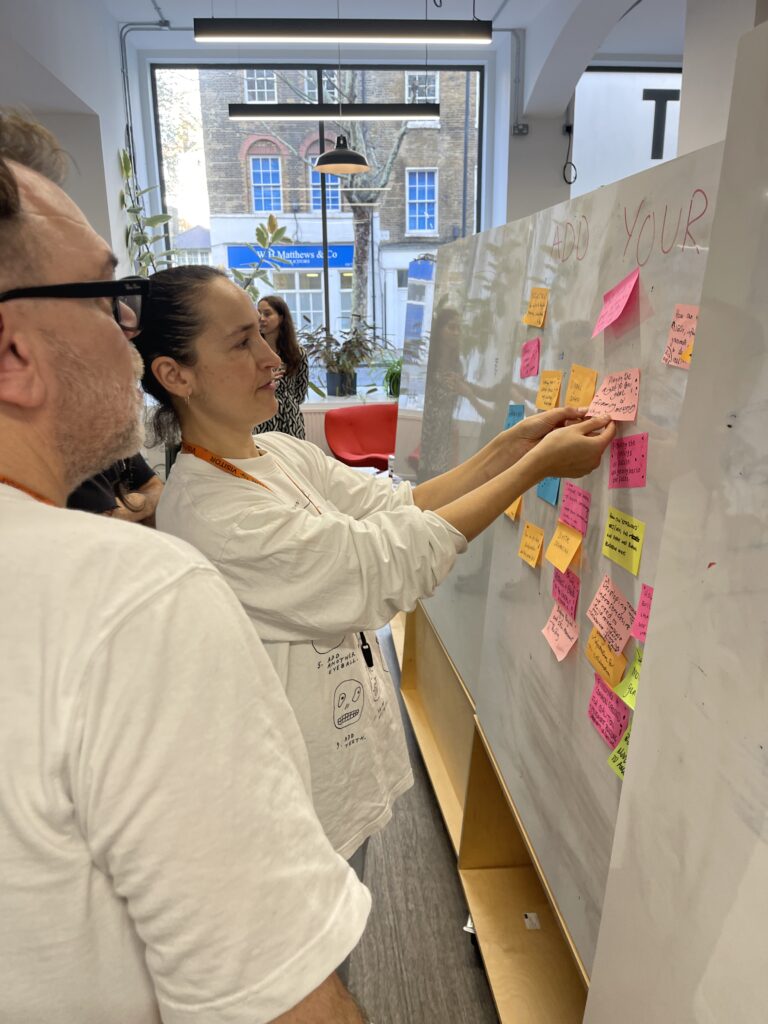
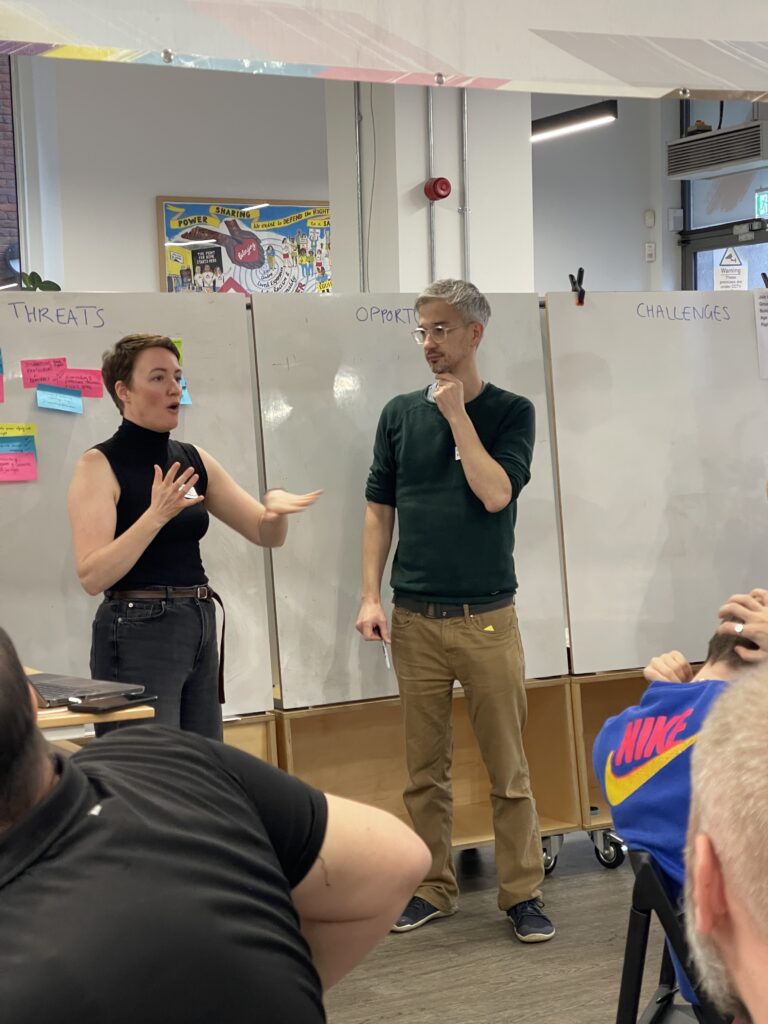
If there was one area where people felt both urgency and hope, it was organising. Not just campaigns or content, but deep community work that builds relationships, develops leaders and sustains long-term power.
We talked about:
- investing in community-led organisers,
- blending digital mobilisation with offline action,
- giving supporters the tools to act locally,
- and creating decentralised structures where people can step into leadership rather than wait to be asked.
The progressive movement can’t rely on reactive digital mobilisation alone – and nor should it. Digital and community organising are strongest when they work together.
Digital gives us the scale, speed and reach to find supporters and spark mass action. Community organising gives people a place to belong, build relationships and take sustained action together.
The real opportunity is making sure our digital mobilisation flows into those local organising spaces – helping people move from interest to involvement, and from involvement to leadership.
When we link the two, we turn online energy into real-world power.
6. We’re behind on social listening – and it’s hurting our ability to respond.
This point came up forcefully: Most of our reactive work responds to media headlines, not public conversations.
By the time something hits the news cycle, the right has already seeded the conversation in hundreds of everyday forums.
There’s a gap here: a big one.
If we want to get ahead of misinformation, polarisation, or attacks on our causes, we need to listen earlier, faster and more intelligently.
7. The balance is finally tipping: the biggest risk is doing nothing.
Perhaps the most energising observation was this shift in mindset: Five years ago, we were asking, “What’s the risk of doing this?”
Now, more people are asking, “What’s the risk if we don’t?”
That’s a crucial reframing – and the starting point for real change.
Where do we go from here?
None of these challenges are things charities can solve alone. They require new skills, new infrastructure and new ways of building power.
That’s where teams like Forward Action can help.
We’re already supporting charities and progressive movements to:
- Develop new narratives that resonate with people’s lives today and shift public and political perspectives
- Run digital fundraising appeals that cut through and convert in this shifting landscape
- Plan advocacy campaigns with the new tactics needed to create real world change
- Develop creator and influencer partnerships to reach and persuade new audiences
- Stand up rapid response actions and appeals when you need to move fast
- Create digital organising models that empower your supporters to act in their communities
- Bring partners together for joint projects and innovative funding applications
If you’re keen to start doing something, we’ve put together some examples of some of the ways we could support you.
This isn’t just a political moment. It’s a strategic one.
And if the energy in that room was anything to go by, our movement is more ready than we think.