How charities and campaigns teams can start 2026 with clarity, courage and a blueprint for rapid response campaigning.
“Sometimes simplicity cuts through the noise better than anything else.”
When more than 150,000 people filled central London for Britain’s biggest far-right protest in history, it was a moment that could have left many feeling overwhelmed, fearful or powerless.
Instead, HOPE not hate, with a two-person digital team, turned that moment into one of the most significant displays of public unity we’ve seen in some time.
Over just six weeks, the digital Biggest Record of Hope and the real-world Weekend of Hope brought together:
- 45,391 co-signers
- 33,897 new supporters
- 4,000+ volunteers
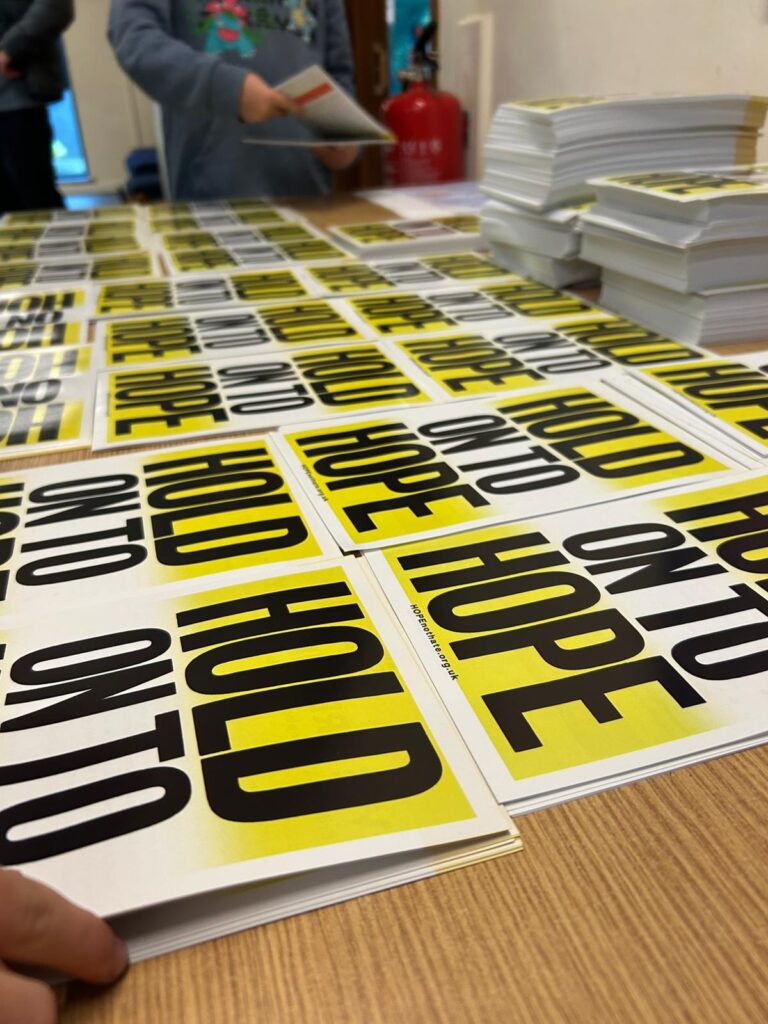
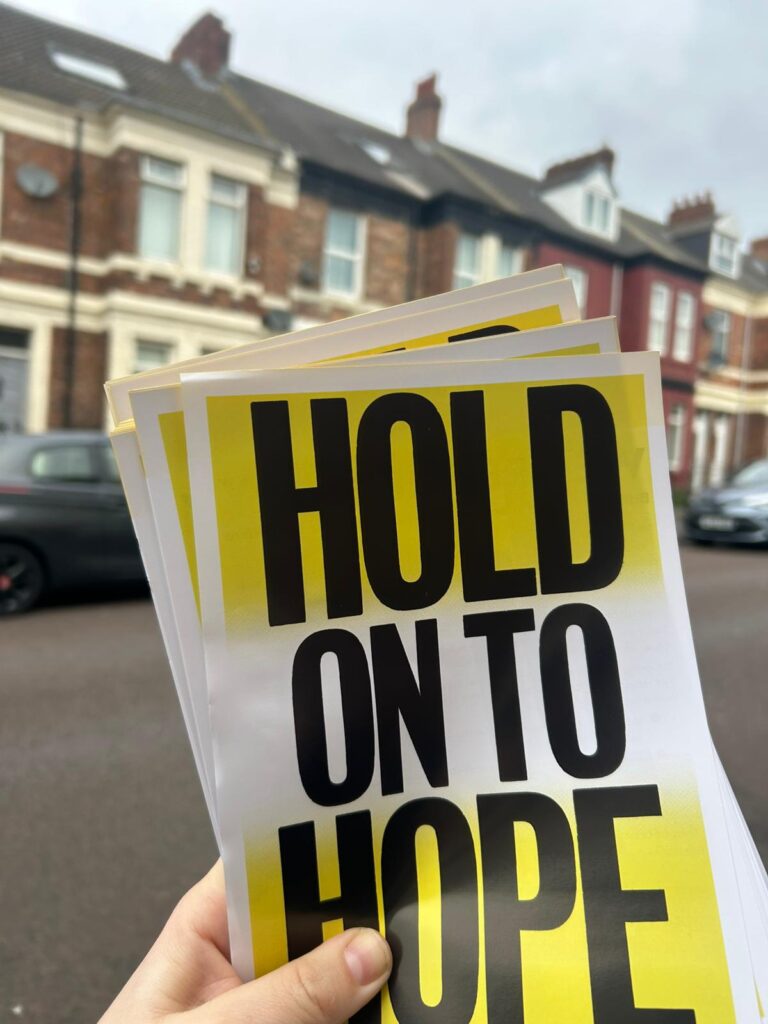
- One million leaflets delivered in 578 constituencies across the UK
It was reactive. It was hopeful. And it worked. So what lessons can we all take from this rapid-response bootstrap campaign?
1. Don’t underestimate the power of a simple, hopeful action
“Fluffy isn’t a problem. Sometimes, in a world of hate, fluffy is exactly what people need.”
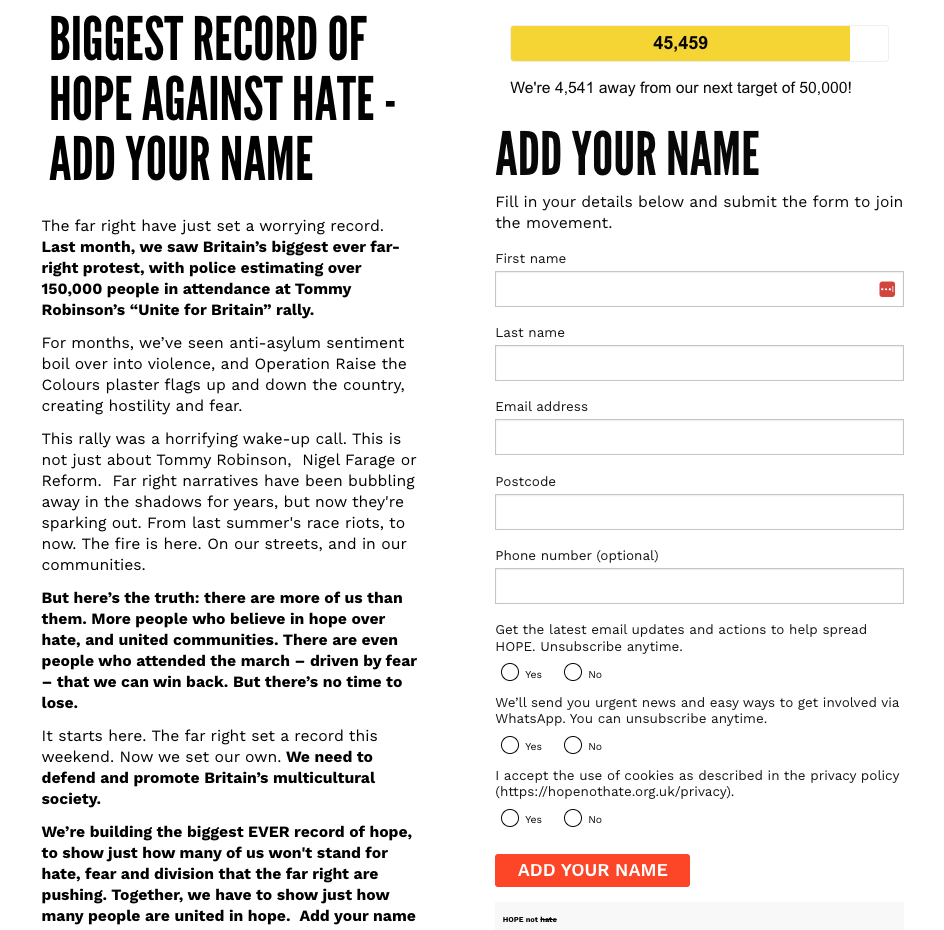

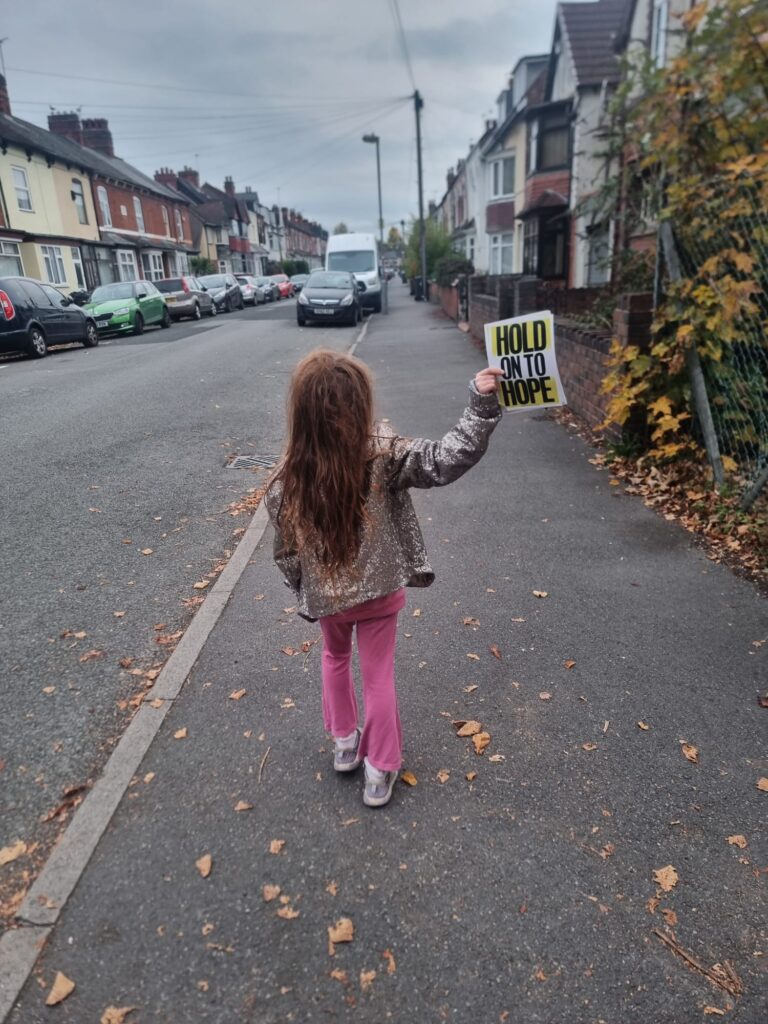
When the scale of the Unite the Kingdom march became clear, the team launched a simple handraiser inviting people to stand for hope. Chris admitted he worried it might feel too light-touch, but the public response proved otherwise.
The lesson for 2026:
People don’t need perfection. They need permission to show what they believe in simple terms.
2. Speed matters more than polish
“Fast beats perfect, especially when the news cycle moves in minutes.”
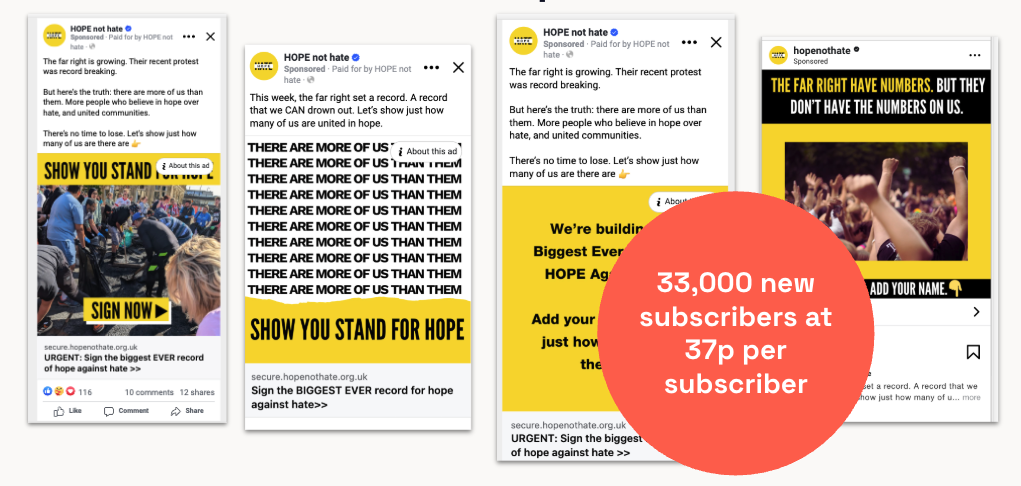
Within 48 hours, the team launched a full digital mobilisation machine: a handraiser, 42 ad variants, and a rapid messaging framework rooted in hope rather than fear.
Participants at our recent webinar asked how HOPE not hate handled negative comments. Their advice:
Moderate lightly, don’t get dragged in, and focus your energy on the supporters who want to act.
3. Meet people where they are, then move them somewhere deeper
“A digital action can be the first step in a lifelong journey of activism.”
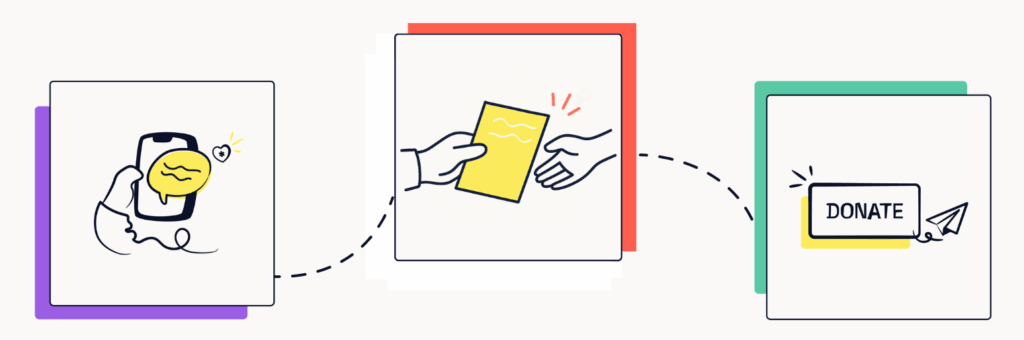
The sign up daisy-chain journey was designed to turn clicks into real-world action. We wanted to drive as many sign ups to take part in the Weekend of Hope as we could get, so the daisy chain for most signers was:
- Sign
- Take a neighbourhood action
- Host or join leafleting
- Donate
The result:
- 4,000+ volunteer sign-ups
- One million leaflets delivered
- 157% return on ad spend (cash-only) over £30,000 raised
Some volunteers have now formed ongoing local groups, sharing intel and watching council meetings to monitor newly elected Reform councillors, acting as researchers and message-carriers in their communities.
4. Community builds power, and visibility matters
“Hope becomes contagious when people can see each other taking action.”
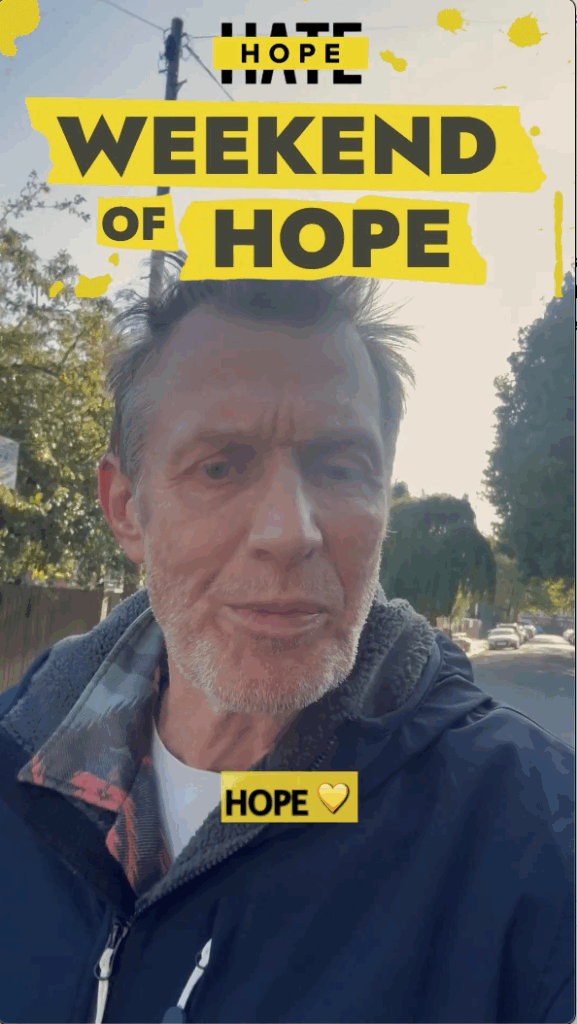
One of the most powerful pieces of content that we used for the campaign was a celebrity video from Jason Flemyng. This came about organically, when the HOPE not hate team called on the long-time supporter of the campaign to help get their message out further. What they created serves as a reminder that visible, positive storytelling attracts people with influence.
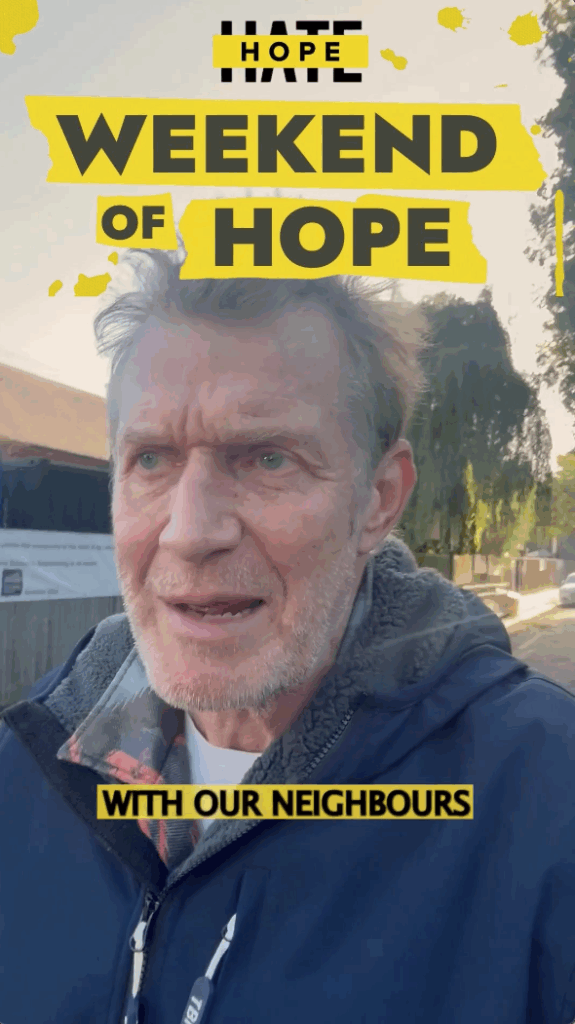
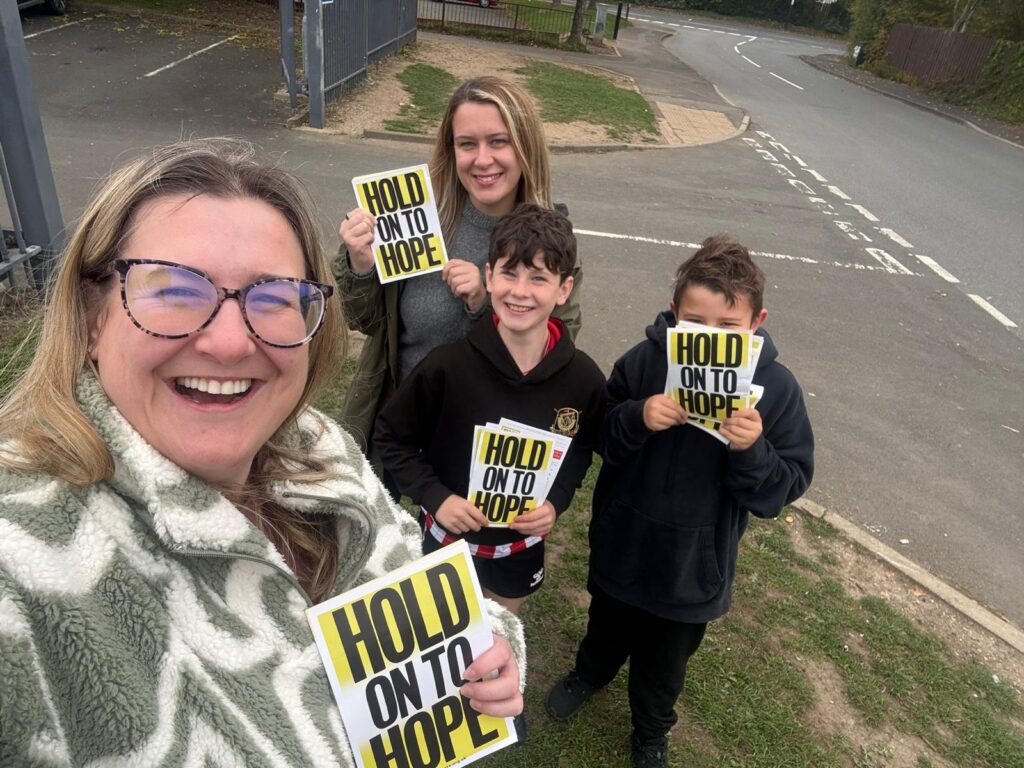
And the most effective content wasn’t high-end production. It was supporters in the rain, with kids and dogs, delivering leaflets. Community-led hope looks real, local and achievable.
5. To respond rapidly in 2026, you need to prepare now
“Rapid response isn’t chaos. It’s preparation meeting opportunity.”
Our mobilisation playbook for the year ahead includes the following crucial actions:
- Know your theory of change
- Build your tech stack now
- Agree a rapid sign-off process
- Don’t overthink the action
- Keep growing your organic community
- Prepare for predictable threats
Hope isn’t a mood. It’s an infrastructure.
6. Why this matters for starting 2026 with hope and power
“The far right is organised. But so are millions of people who believe in fairness, inclusion and community.”
The Record of Hope didn’t erase the far right, but it did something more important:
It reminded people they’re not alone.
With political tension rising, the sector needs to offer supporters something they crave: community, clarity and a chance to take meaningful action.
As one webinar attendee asked: “How do we help people feel safe enough to act?” Our answer:
Give them community. There is safety in numbers, and give them hope – it’s through showing what’s possible, we can inspire more people to join our causes and fight for change.
Want help building your rapid response campaigning capacity for 2026?
We’d love to support you with the strategy, tools and journeys to turn moments of concern into moments of mobilisation.