We had lots of great questions at our webinar with HOPE not hate, all about their Weekend of HOPE rapid-response campaign. We didn’t have time to answer them all live, so we’ve written up the answers here – covering everything from supporter journeys to paid ad strategy, and how the team handled hateful comments.
If you missed the session, you can catch up via the blog recap here.
CAMPAIGN AND SOCIAL STRATEGY
How did you engage existing supporters with the Record of HOPE?
We emailed the handraiser to our warm base, with clear signposting into opportunities to join the Weekend of HOPE too. That helped them connect the dots between digital action and offline moments. Those who had engaged more recently got a tailored ask to donate – but the journeys were similar overall.
How did warm engagement compare to paid sign-ups?
Roughly 60% of people who signed the handraiser were completely new to the list, which gives a good sense of the scale we saw through paid activity. Existing supporters were still a really important part of the campaign, but the majority of sign-ups came from outside the email base.
How did you set up the ads?
The campaign was run with just one ad set, so Meta could automatically push more spend toward the strongest-performing creatives. We kept it really simple – it was a manual campaign, not Advantage+, and we didn’t use any interest-based targeting. It was a broad audience, and we only layered in location targeting later on, once the leaflet action went live.
Why did you run the campaign for 6 weeks – especially after the first 2 weeks saw such strong results?
We’d set aside a specific budget for the campaign, and the first couple of weeks went so well we wanted to keep that momentum going. Performance stayed strong, so rather than stop while things were working, we kept pushing.
Most of the budget was spent upfront to maximise that early energy. After that, we slowed the pace a little and used the remaining spend to keep driving people toward the Record of HOPE and then into Weekend of HOPE actions. The campaign wrapped on the Sunday evening.
Did you use lead forms or direct people to your site?
We used Engaging Networks forms, not lead forms. Our experience is that customisable daisy-chains on our site deliver much stronger ROAS (Return on Ad Spend).
How did Instagram and Facebook compare in terms of cost and performance?
- 30% of spend went into Instagram, delivering 25% of actions
- Facebook Cost Per Action: around 50p
- Instagram Cost Per Action: around 62p
Facebook gave us more bang for our buck – but both channels helped reach different parts of the movement.
Did you target specific constituencies?
Deciding the areas we worked in was largely volunteer-led, but there was focus on key areas with upcoming elections – e.g. the North East, West Midlands, and Caerphilly.
How did you manage bad actors filling in the handraiser?
There probably were some bad actors completing the handraiser. HOPE not hate do thorough vetting and phone calls before anyone is invited to offline action like leafleting.
Did you get a lot of hateful comments on Meta ads? How did you handle that?
We did see hateful comments, and there isn’t a reliable way to stop them completely. We kept a close eye on things, checking multiple times a day, but kept moderation light, stepping in only if things crossed a line into abuse, and tried not to get pulled into back-and-forths.
What helped was keeping a steady flow of ad variations in rotation, which diluted the noise and stopped any one post from becoming a magnet. Beyond that, we tried where we could to engage with positive comments, too.
Did you have other petitions or actions live at the same time?
No – this was the only active campaign, which helped give it full focus and attention.
Did you help script the video?
Yes – we scripted the campaign video in-house, then handed it over to Jase for filming.
ONWARDS JOURNEYS & ACTIONS
What has your retention been like for the new cash donors? Have you tried converting or making a second ask?
Yes – around 8% have made a second donation since their first gift. Encouraging signs, especially as retention is a tough nut to crack in rapid-response moments.
How are you measuring long-term impact?
We’re not tracking non-digital behaviour directly. But early signals are strong:
- 28,000+ new email subscribers
- Another 2-3k joined since the campaign ended – likely through QR codes on leaflets and local meeting sign-ups
- More people attending events and taking local action – which is exactly the outcome we wanted
Did you trial a daisy-chain donation ask via ManyChat?
Not yet – we haven’t tested donation asks in DMs via ManyChat, but it’s on our radar.
How did you mobilise and prepare leafleters so quickly and prepare them for conversations, including potentially with those who were not aligned with HNH stances?
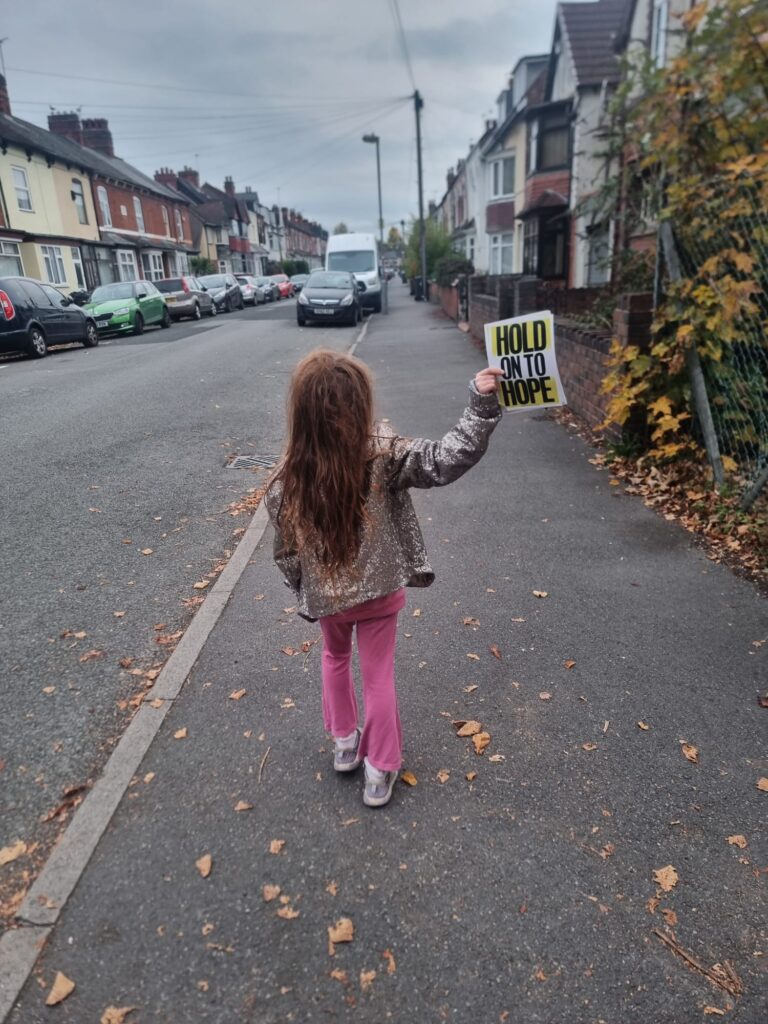
Our ask was simply to get leaflets out across local neighbourhoods, so we didn’t prep volunteers for anything more involved. Even so, lots of people told us conversations with neighbours happened on their own. The message was grounded in community and quite soft in terms of the language used, which helped keep things steady.
What about fears of reprisal or hostility in-person?
It’s a valid concern. HOPE not hate try to ensure everyone feels safe and supported, for example:
- Pairing up volunteers
- Focusing on local action
- Using non-confrontational messaging
And importantly, most feedback was positive. The softer, community-led tone helped reduce risk and keep conversations open.
Thanks again to everyone who joined the session – we hope these answers are helpful.
Want help building your rapid response campaigning capacity for 2026?
We’d love to support you with the strategy, tools and journeys to turn moments of concern into moments of mobilisation.